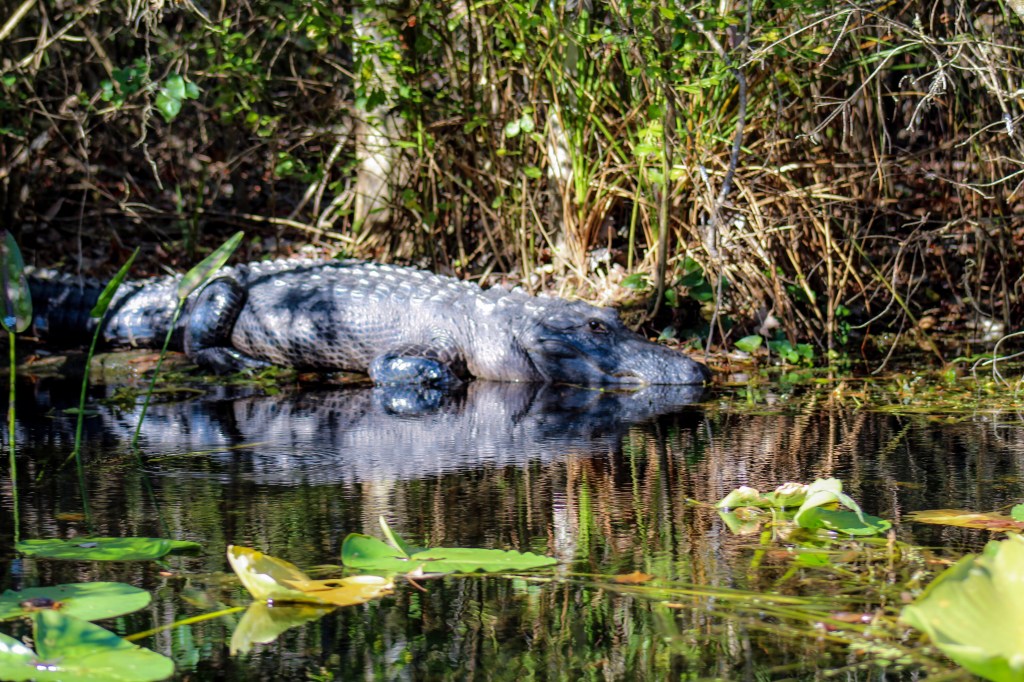
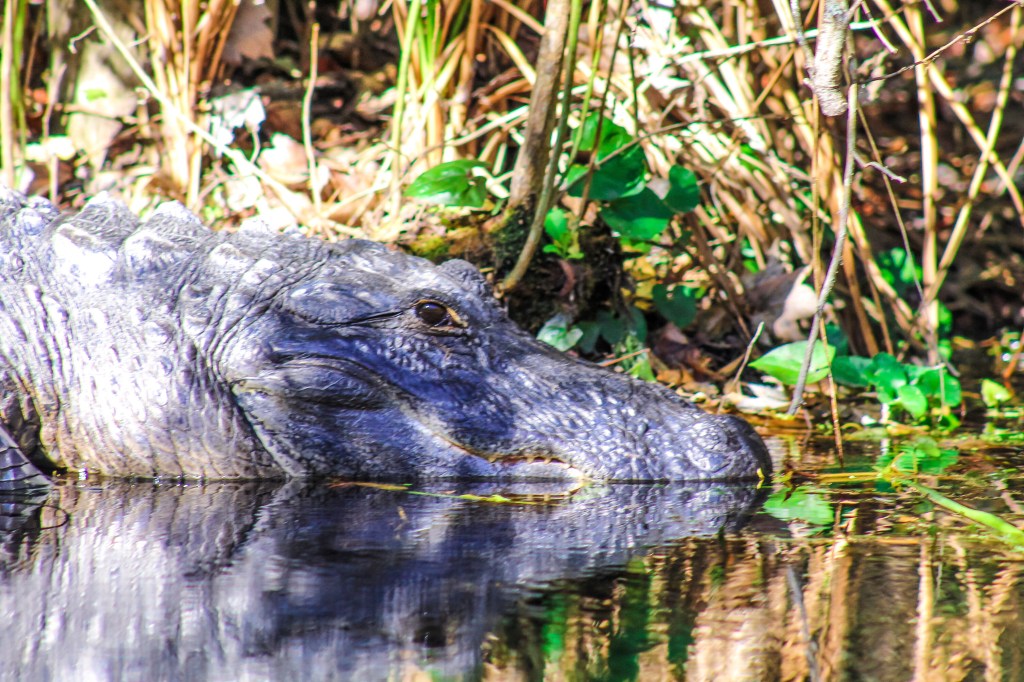
The alligators here at Alexander Spring give the vibe that they would love to be featured on the nightly news for a human attack. These guys neither appear nor act tame, and wouldn’t feel an ounce of guilt about eating your puppy. Out here, you are in their space and treading carefully is advised.
By virtue of the surrounding forest and lack of houses, boats, tubers, or the like, the nature here is more on edge, more raw. Never have I found the “beware of alligator” signs so befitting, nor taken them so seriously.
The Ocala National Forest is what defines Alexander Springs and the resulting “Spring Creek” river. The fact that this is a national forest was emphasized to me by the 18 year old, long haired park assistant who was not happy with my drone flight. Golf carting over to me with cigarette in hand, he informed me that the drone needed its wings clipped and had to be grounded. He had me caught…
Playing innocently dumb, I responded: “Oh, because this is a state park right, you can’t fly them here?”
“Actually sir, this is a federal park.”
Neither the drone nor I was equipped to take on the U.S. Air Force. I showed the guy the live stream video coming from the drone to the iPad, which amazed him a little and pacified him. I snapped a few more pictures on the way to landing… but the jig was up. Somewhat surprisingly, this is the first time I have gotten in trouble flying the drone over a spring.
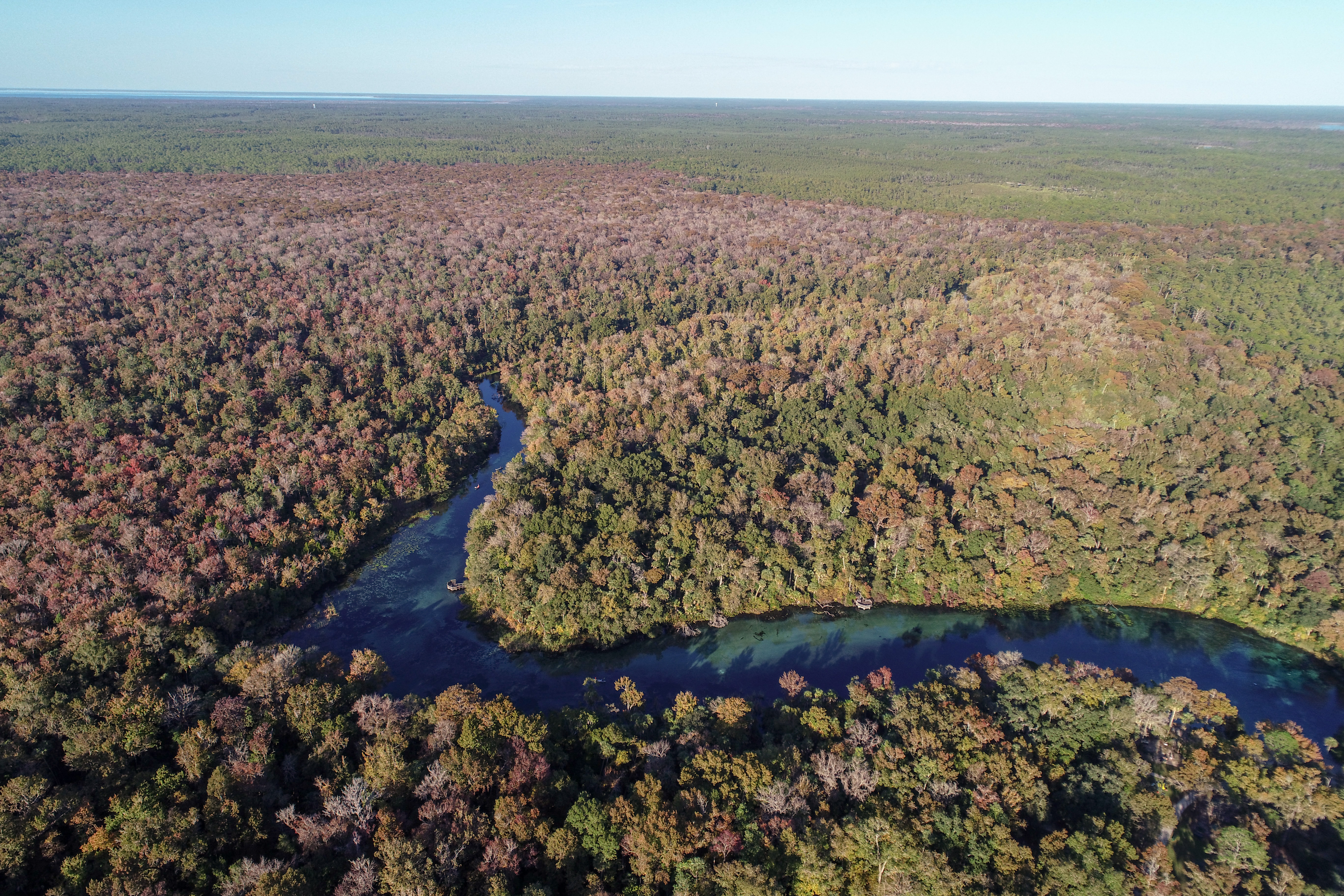
The surrounding wilderness gives a sense of seclusion to the river that runs through it, completely untamed. The wildlife is more wild, flora more free, river-run more rugged. At a place like the Weeki Wachee or Homosassa, you can be surrounded at times by woods and lowlands on either side of the bank and feel temporarily peaceful, secluded; but also available to you, somewhere in the subconscious, is the sense of security from knowing there is a neighborhood of houses not far beyond either bank.
This is not the case at Alexander, where the forest remains large and deep. Here, you browse the woods in the hopes to see a bear, and mentally remind yourself that the gators are more afraid of you than you are of them. You feel smaller, less important, and less powerful here – which can be a good thing to feel. From time to time.
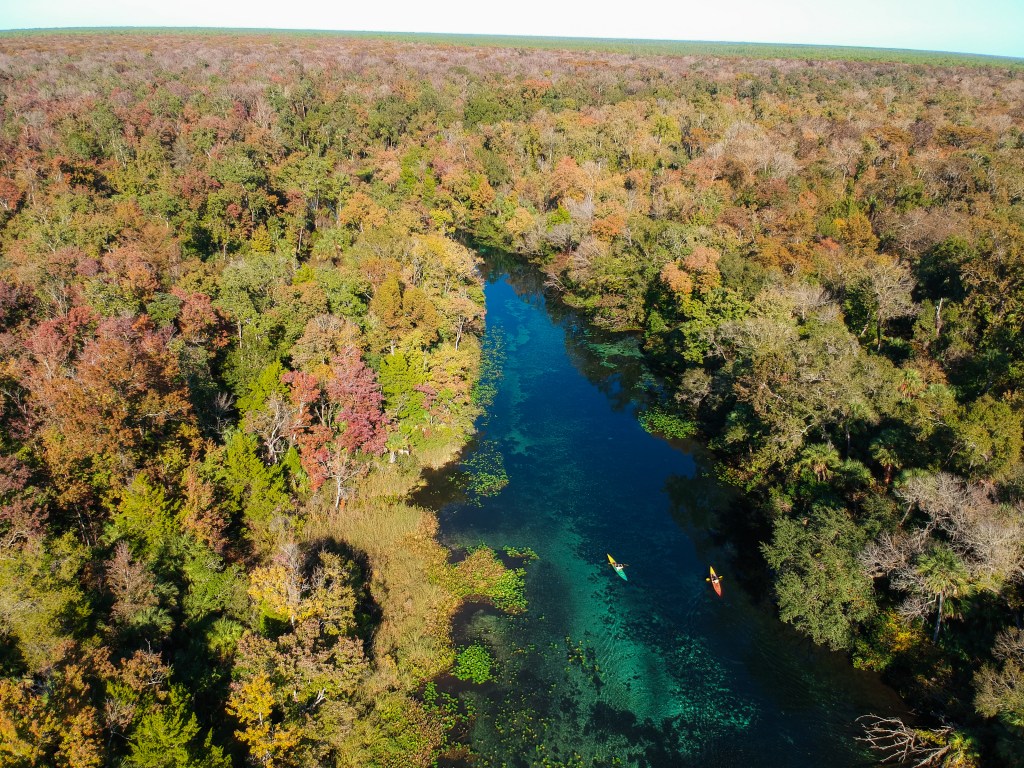
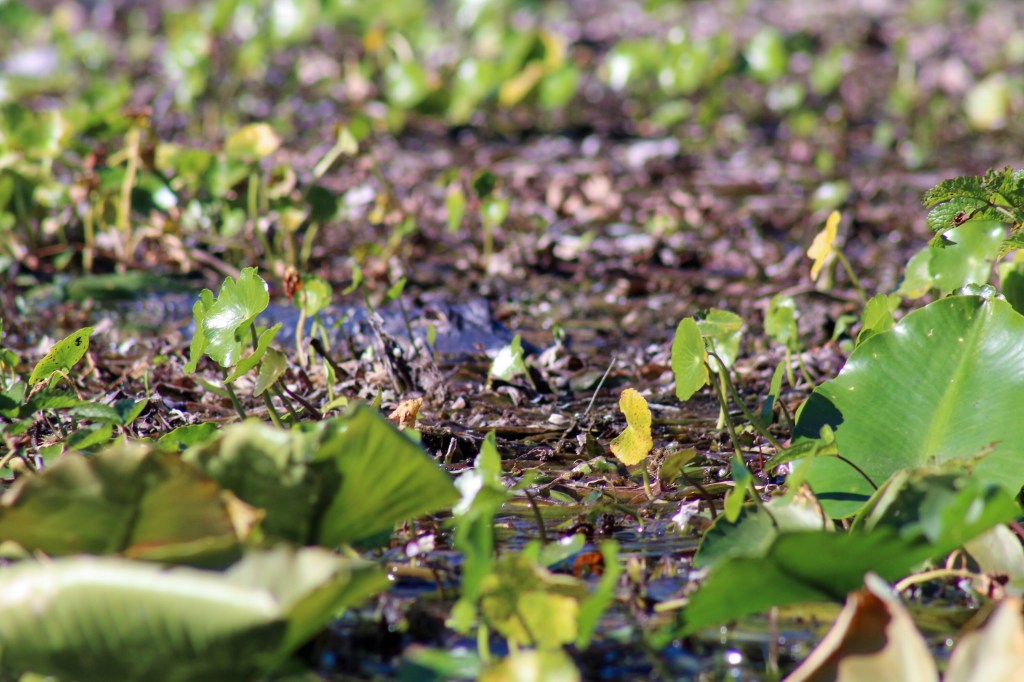
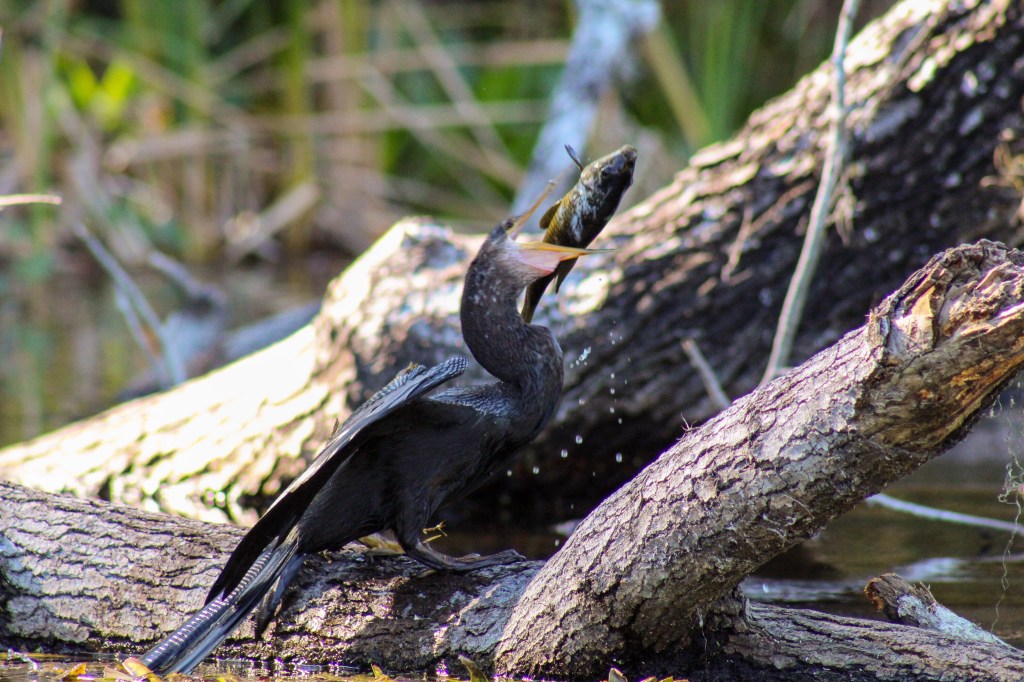
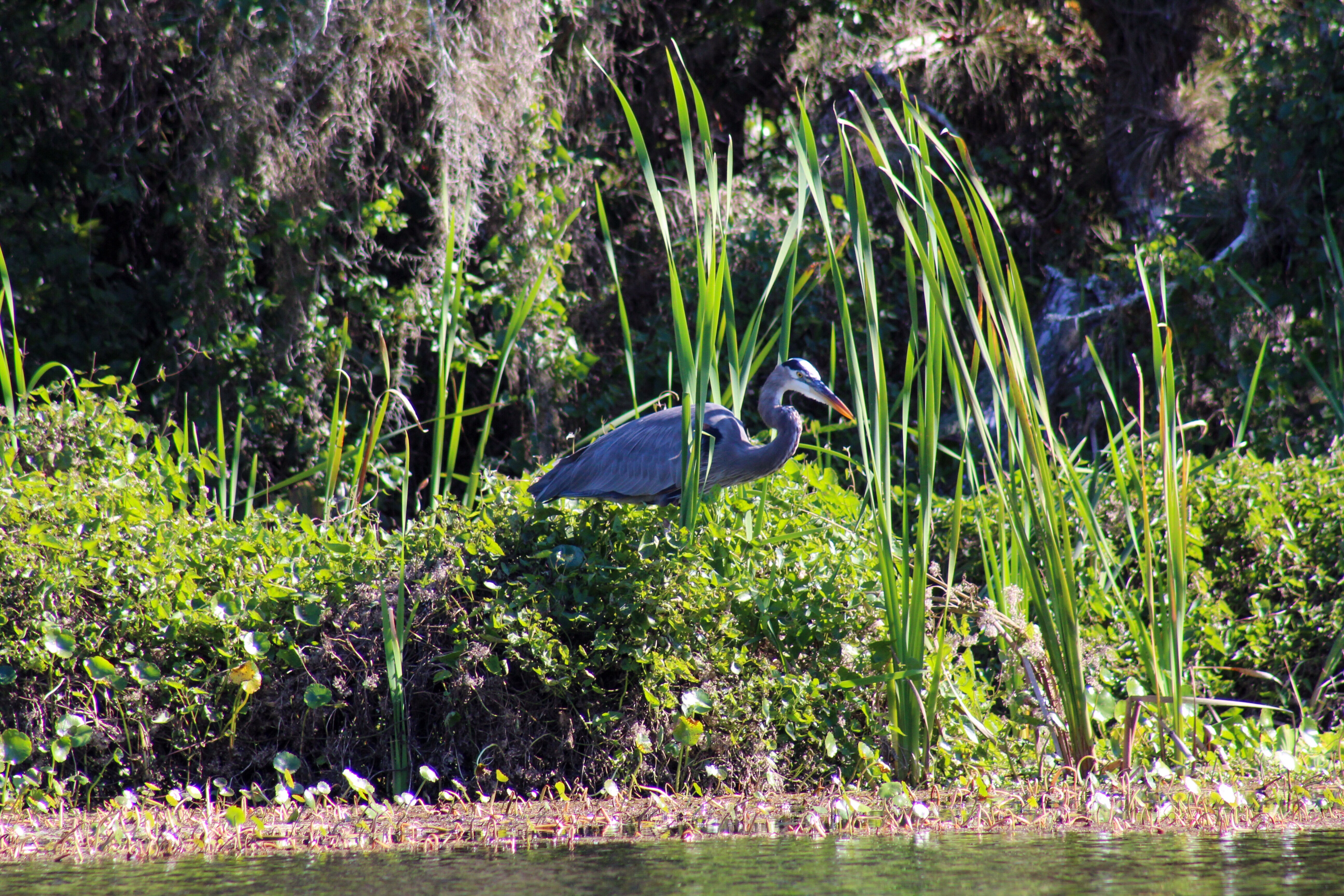
After looking at photographs taken during my day trip to the river and spring, the amount of wildlife witnessed and photographed was as much as all of the previously visited first magnitude springs combined. Not much time was available for kayaking, as I was constantly twisting around in my seat to capture the entertainment going on around me. For any nature lovers or photographers, this is a fun place to visit that will put on a show for you as you quietly glide down the river.

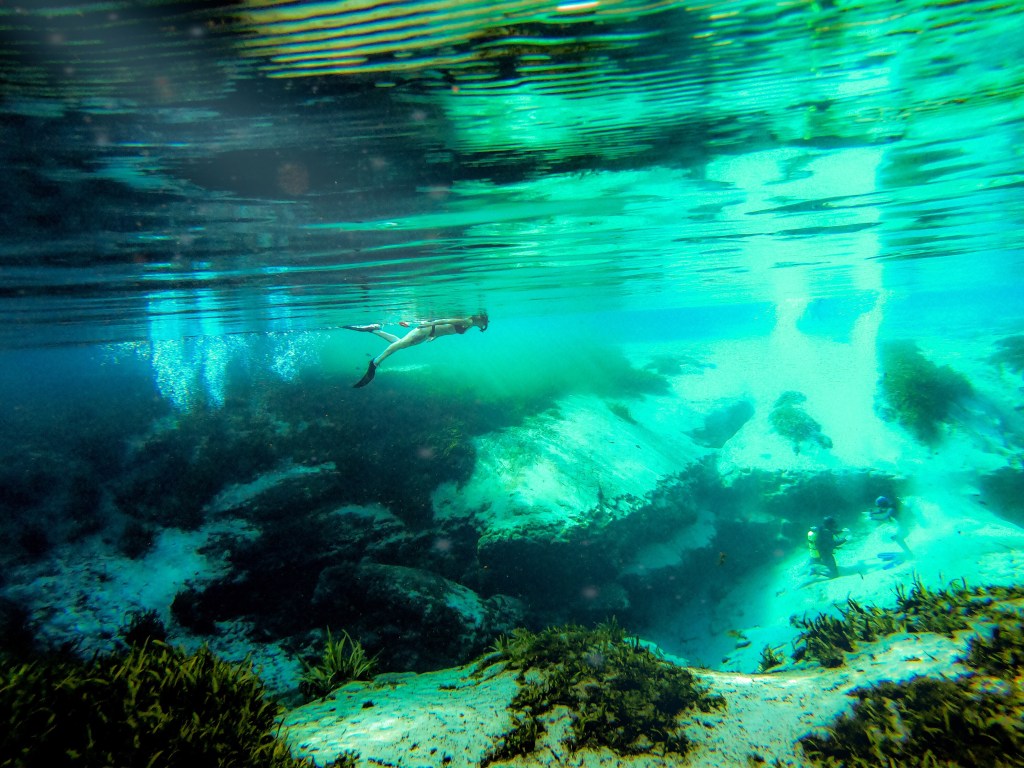
The headspring is extremely clear. Diving down, you realize the clarity of the water masks the spring’s depth, and swimming to the bottom will put your mammal heritage to the test. Under the surface, the waters offer wildlife viewing to match the above-surface display; colorful entertainment as you rejuvenate in the 72-degree water.
Snorkeling above the spring provides a glimpse of Florida’s aquifer in action, where vents constantly toss up debris, lending visual representation to the clean, life-sustaining product that the aquifer delivers. Fish and humans populate this connection point to the aquifer, seemingly enjoying each other’s presence. Rock formations, partially covered in sand and aquatic plants, can be explored and inspected up close, for those willing to take the plunge.
The first magnitude spring bellows 70 million gallons of water per day, powering the Alexander Creek which flows approximately 13 miles through the forest. The creek then meets the much larger St. Johns river. The spring is the only first magnitude spring held within a US National Forest or Park.

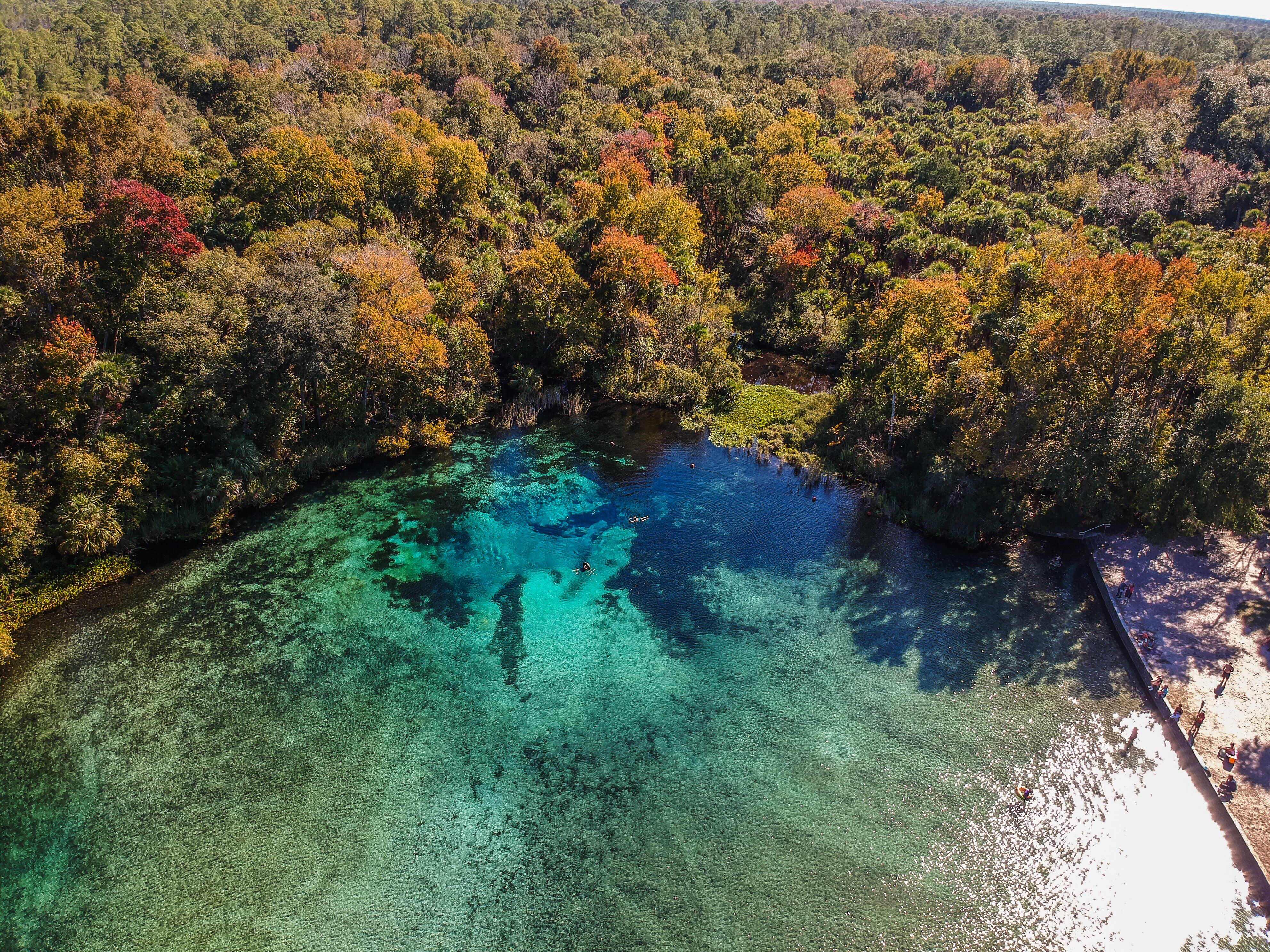
The beautiful spring and resulting river attracted the attention of the Timucuan Indians, who settled the area prior to European arrival. The Native American tribe left behind cultural artifacts in and around the spring. Archaeologists tell us that the group subsisted on shellfish, while also cultivating maize, squash, and beans. The origin of the name “Alexander” for the spring is actually unknown. Most likely under a different title, humans have enjoyed this spring for about 10,000 years or so.
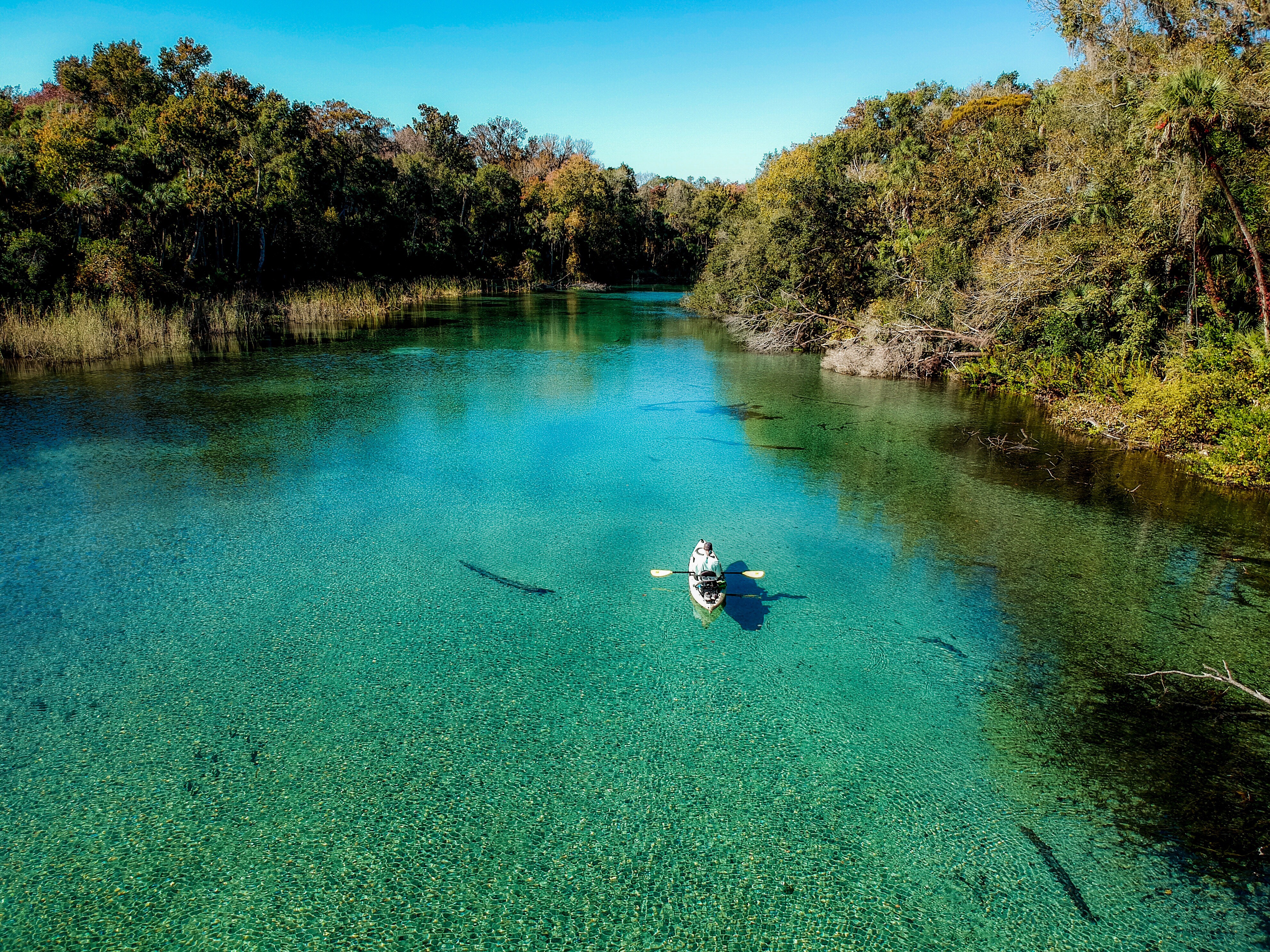
My aunt has a “do one thing that scares you every day” sign in her kitchen. While taking a narrow detour down a creek off of the main river, my mind went to that plaque. A solid routine with good habits – eating right, going to work, exercising, and going to bed early – is important to establish and can create a well-balanced life. However, with such good habits and established routine, where can you get some adventure or feel the sensation of risk? Surrounded by a deep forest, alligator eyes watching me, and nothing manmade in sight beside the boat under my butt, I was a little scared. Yet, I felt a tingle of satisfaction embedded in this hint of fear. A reminder that straying from the known, from the day-to-day, can give you that jolt… that jolt which can only be described as living.
So… go to a new place, break the routine, find the adventure. The springs are a great place to start!
Useful Tips for Visitors:
Entrance is just $6 per person and allows access to the beautiful headspring. The spring area has picnic tables and grills. The grounds slope towards a large, round bowl with a sandy beach area and ample space to swim, snorkel, and scuba dive. The park rents kayaks and canoes, which I highly recommend so that part of the day can be spent exploring the wild river run. Canoes are just $16 for two hours. Watch out for the alligators!


 First Magnitude Florida
Leave a reply to Silver Glen – First Magnitude Florida Cancel reply