If you are a Floridian needing to witness an African hippo bowel movement in person, please consider a visit to the Homosassa Springs Wildlife State park, in Homosassa Florida. The oldest living hippopotamus in the United States is a plump old boy, 59 years young, named Lucifer. He prefers to be called Lu. After a kayak trip on the voluminous river and visit to the first magnitude spring of Homosassa, my sister and I were treated to the au naturel display: with a vicious circular whipping of his tail, Mr. Lucifer began to turn the water in the direct vicinity of his large bottom a deep brown color. The helicopter action of his tail ensured witnesses to turn their heads, and the powerful stench landed on our nostrils at the precise moment that “Is he pooping?” fired across the neurons. Yes, yes indeed he was. Quite the treat for these two park goers!

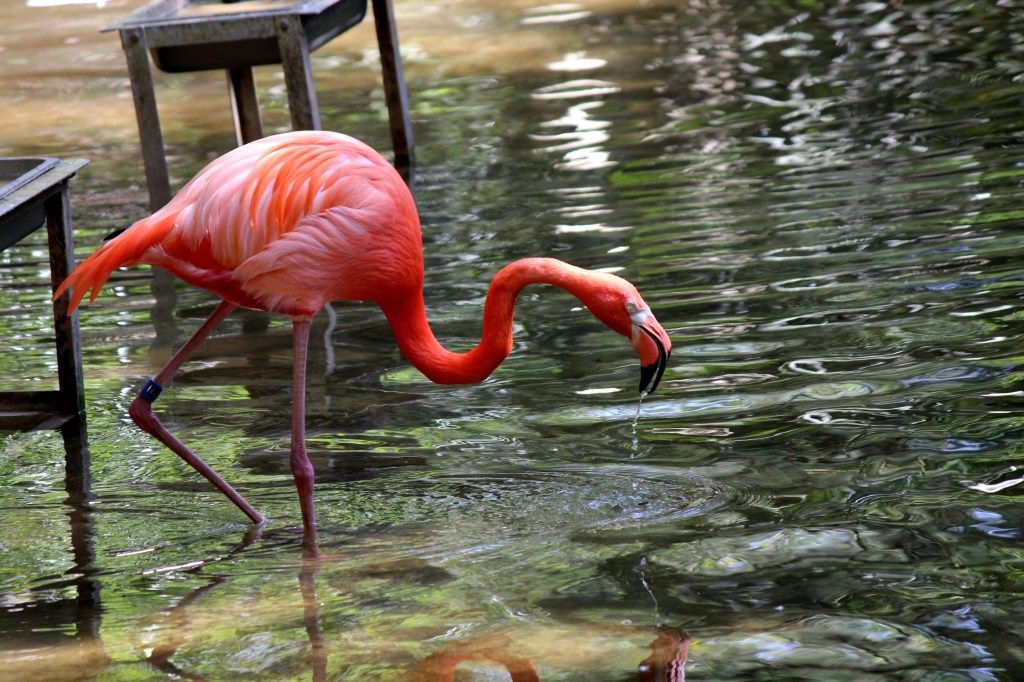
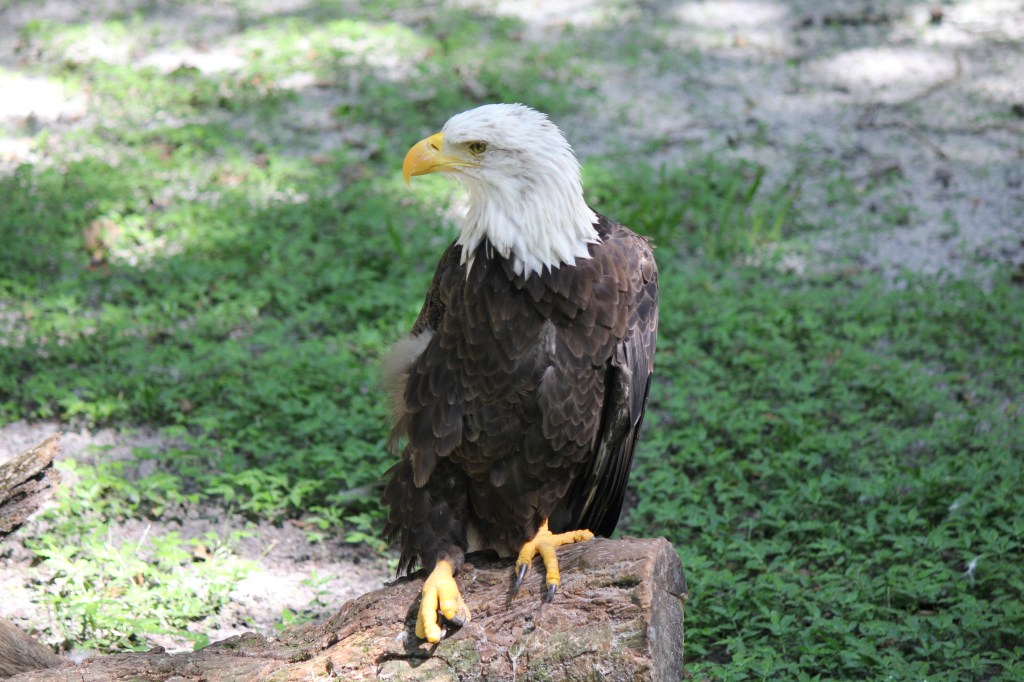
The intent of the visit was to explore the river and then to visit the state park, which encapsulates and blocks the Homosassa head spring from access via boat. Meeting a hippo celebrity was just an unintended bonus; he is one of many animals in the small zoo at the state park, and the only nonnative species. The remainder of the park treated us to fantastic photographic opportunities with the uniquely shaped and colored birds of Florida. Admittedly, the beasts are more interesting to photograph in the wild, carrying on with their daily rituals and hunts. However, there is no need to whisper “stay still you little punk” while snapping pictures at the state park, and the ability to see them up close emphasized their beauty and power. Arriving about an hour before closing time afforded us a 20% discount off of face ticket value ($13 per adult) and allowed us to leisurely observe and read about the animals with few others around.


The park’s feature of prominence, a “fish bowl” observatory dropped below the water level at the headsprings, was admittedly underwhelming. Due to poor water clarity, there was not a lot of action to witness. Furthermore, a great joy offered by the majority of large springs is the ability to swim and dive into their depths. Fish bowl viewing is a bit less up-close-and-personal – imagine planning a trip to the ice-cream parlor just to look at the flavors… It’s just not the same.

Regardless, Homosassa boasts a first magnitude spring with three distinct vents huddled together, turning out 72 degree water perfect for manatees in the winter and humans in the summer. The origin of the Creek Indian name for the area means “place of many peppers”, or as some historians would have you believe “river of fishes”, which is too unimaginative to be believable in my book. The ensuing river runs relatively deep out to the Gulf of Mexico, providing excellent inshore fishing opportunities and scalloping grounds. Due to a historically high salinity of the Homosassa Main Springs compared to other Florida aquifer vents, species more commonly found in brackish or salt water can be found at the headsprings and along the river. Manatees also flock here in abundance during the colder months, to join the several permanent residents (injured and rehabilitating animals) of the state park, attracting tourists from around the world.

A visit to the the Homosassa river offers more to party boaters than to weekend-warrior kayakers or SUP paddlers. Mostly featuring houses, the upper portion of the river does not provide many opportunities for nature viewing. With the Homosassa Spring cut off from swimming, there is not a great place to put on a mask and go for a dive. The river does afford a refuge to the Florida heat and is popular for boaters, commonly combining an iced down Yeti full of tall boys with some Reggae music. If you do not have a 200hp Yamaha pushing you 35mph down the river, however, the nearby Chassahowitzca River offers a more peaceful and nature-full place to paddle. If you decide to ignore my advise and attempt a human-powered trip on the Homosassa, the kayak and SUP rental place River Adventure Tours was reasonably priced ($20 for two hours) with friendly service. At the Homosassa, go with a good partner in crime or group of friends and embrace the Florida landmark for what it is… check out the quirky animal zoo and the famous hippo, cool off where you can, and have some fun at this unique Florida first magnitude spring.


 First Magnitude Florida
Leave a comment